








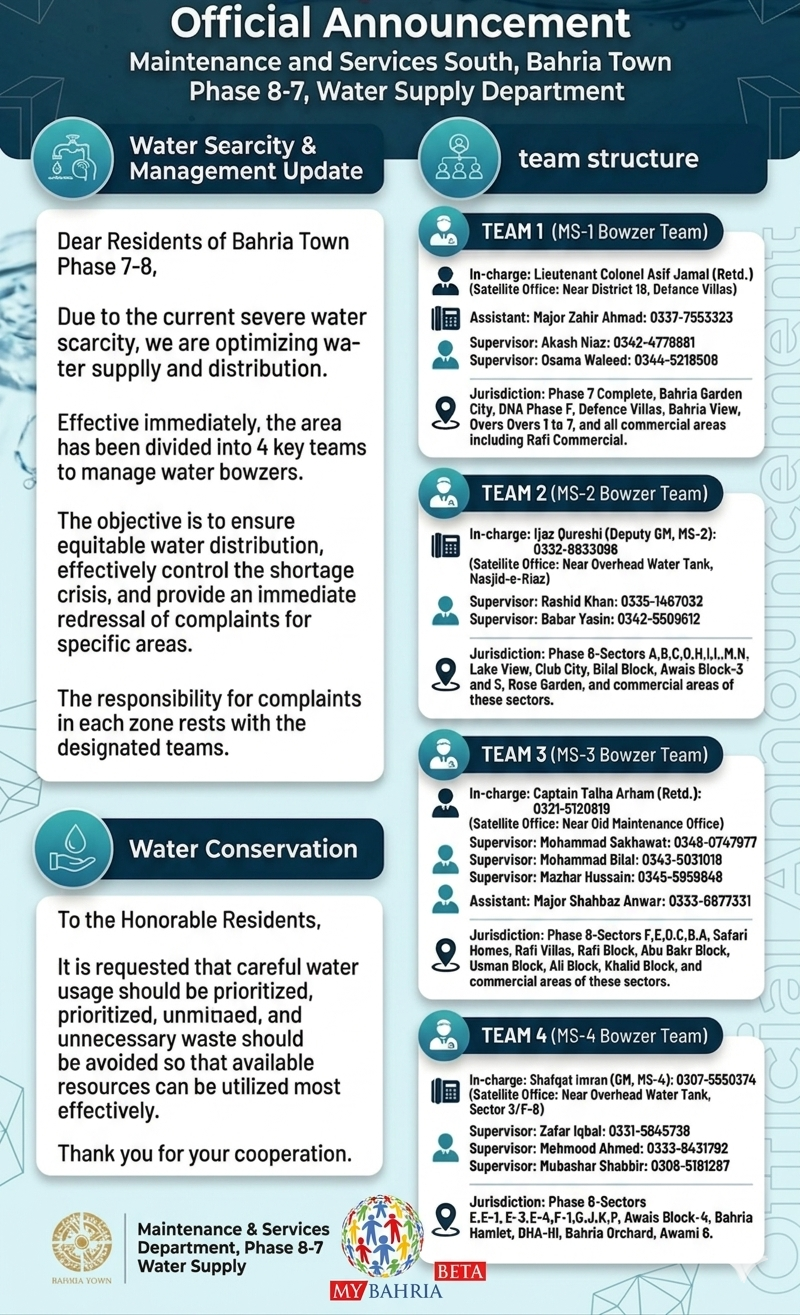

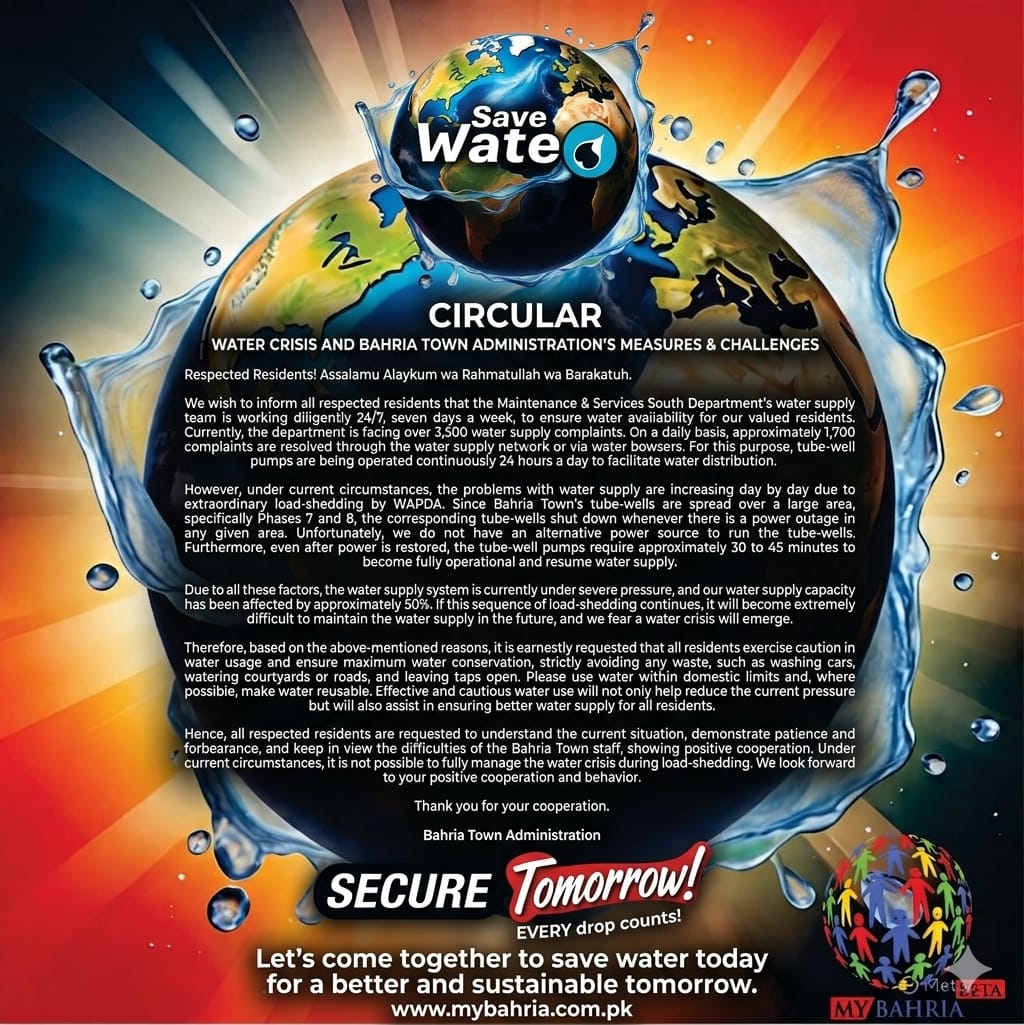

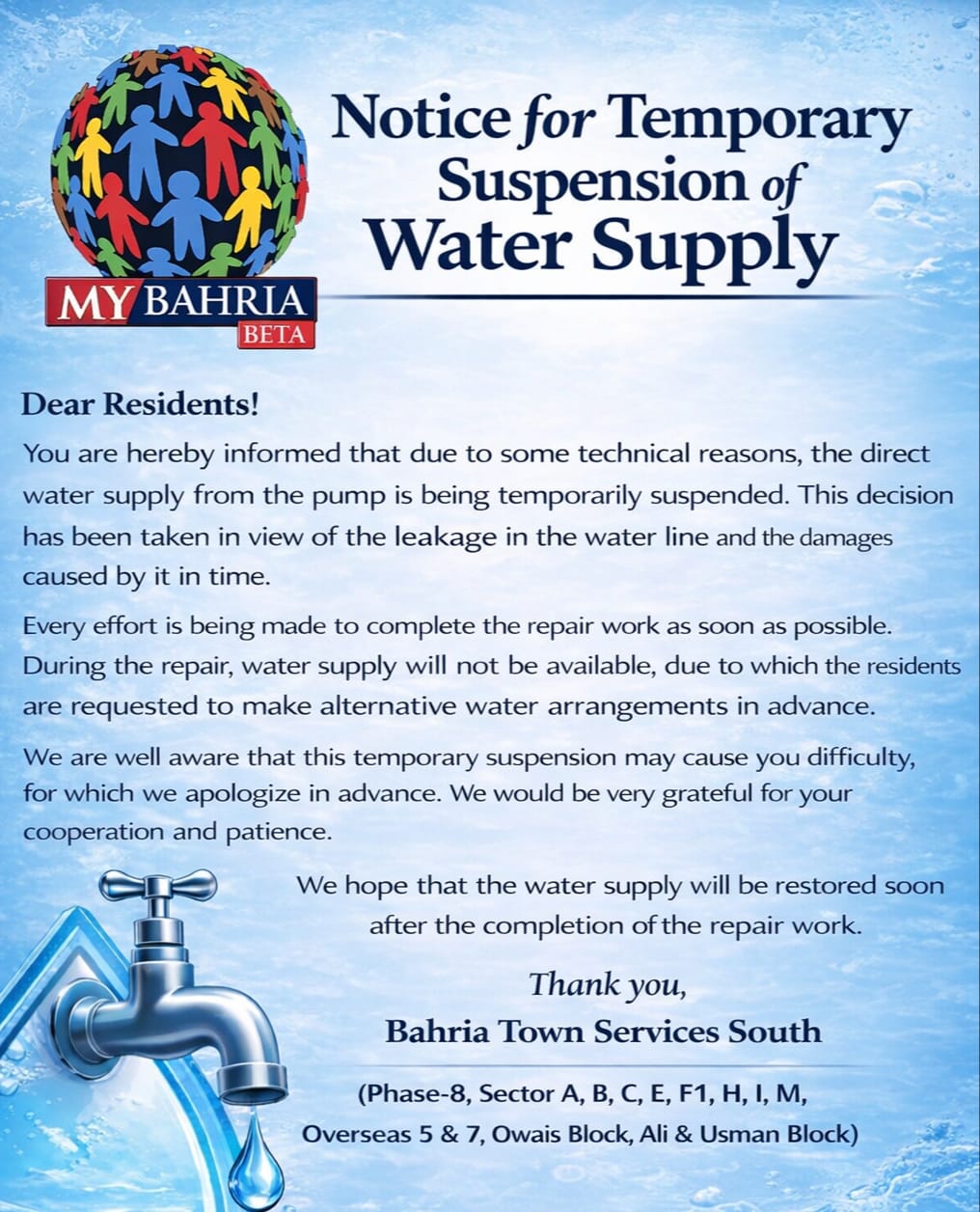











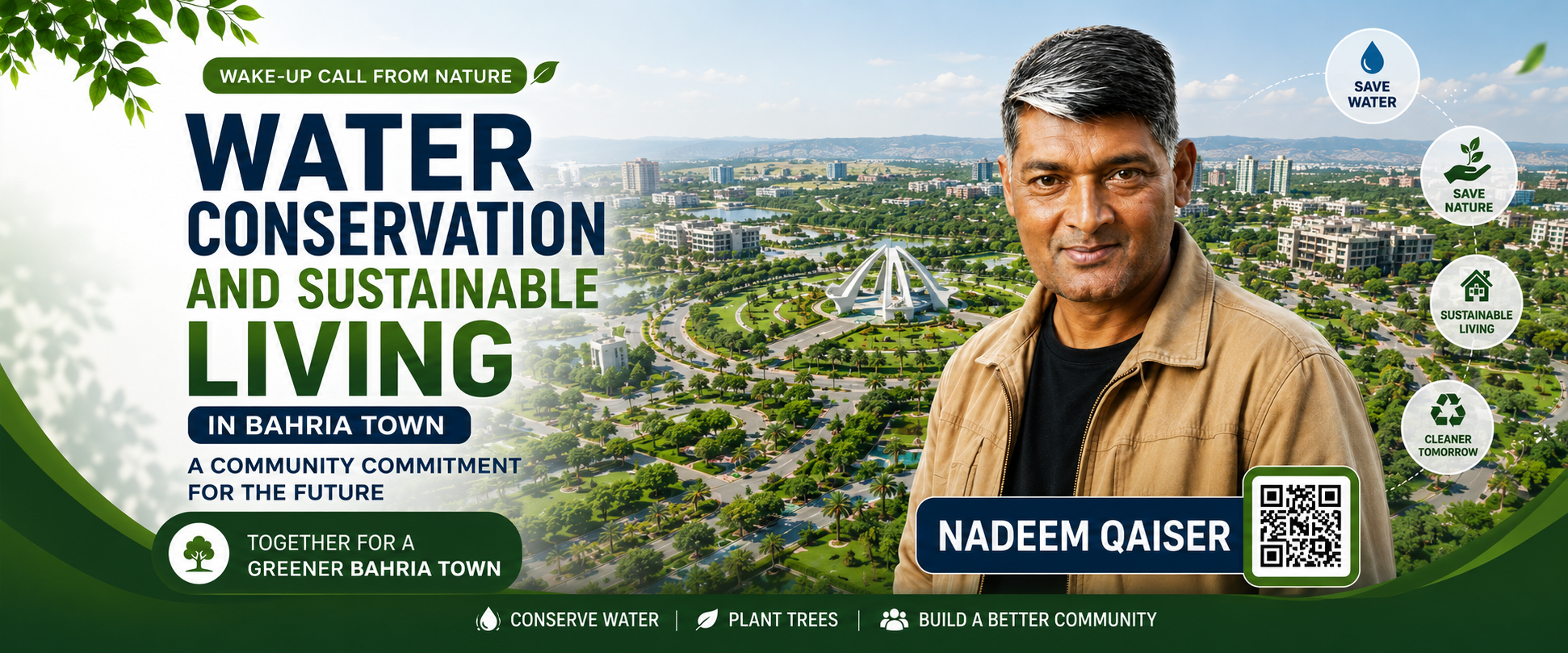
Water has become one of the most critical challenges facing residents of bahria Town . Over the last few years, increasing population, climate change, reduced rainfall, and excessive groundwater extraction have placed enormous pressure on the area’s water resources. Residents in different phases of Bahria Town have increasingly reported shortages, irregular supply, and dependency on tankers during peak summer months.
The broader Rawalpindi region is already facing a severe water emergency. Officials report that the city requires far more water than is currently available, while groundwater levels have dropped dramatically over the years.
The good news is that the crisis can still be managed if residents, businesses, and management authorities adopt a culture of responsible water usage and sustainable planning.
Understanding the Root Causes of the Crisis
Before discussing solutions, it is important to understand why the crisis is worsening.
Rapid Urban Expansion
Bahria Town Rawalpindi has expanded rapidly over the last two decades. Thousands of new homes, plazas, restaurants, and commercial buildings have increased daily water demand beyond sustainable limits.
Falling Groundwater Levels
Experts warn that Rawalpindi’s groundwater table has fallen drastically because of excessive borewell usage and inadequate recharge systems. Some reports indicate groundwater levels in parts of the region have reached depths of 650–700 feet. ([NetMag Pakistan][1])
Climate Change and Reduced Rainfall
Long dry spells and unpredictable rainfall patterns have reduced the replenishment of underground water reserves and dam storage levels.
Water Wastage
A major portion of water loss comes from careless consumption practices such as:
Washing cars with open pipes
Excessive lawn watering
Leaking pipelines and tanks
Overflowing overhead tanks
Unnecessary pressure washing
Residents on My Bahria discussions about Bahria Town have repeatedly highlighted water wastage and the absence of recharge strategies as major concerns.
Why Water Conservation Matters Now
Water conservation is no longer optional. It is essential for:
* Protecting future groundwater reserves
* Reducing dependency on tankers
* Lowering electricity costs linked to pumping
* Ensuring equal access for all residents
* Maintaining property value and livability in Bahria Town
If immediate conservation measures are not adopted, the crisis may become permanent during future summers.
Smart Ways Residents Can Use Water Wisely
Fix Leaks Immediately
A single leaking tap can waste thousands of liters of water every month.
Residents should regularly inspect:
Kitchen taps
Bathroom fittings
Underground pipelines
Water tanks
Flush systems
Even small leaks should never be ignored.
Install Water-Efficient Fixtures
Modern water-saving fixtures can reduce household water consumption significantly.
Recommended upgrades include:
Low-flow shower heads
Dual-flush toilets
Sensor taps
Water-efficient washing machines
These small investments produce long-term savings.
Stop Washing Cars with Open Pipes
Using an open hose for car washing wastes huge amounts of water.
Instead, residents should:
Use buckets
Use pressure nozzles
Visit recycling-based car wash stations
Limit unnecessary washing
Authorities in Rawalpindi have already warned against non-essential water use during drought conditions.
Reduce Lawn Watering
Large green lawns consume massive quantities of water, especially during summer.
Smarter alternatives include:
Watering plants early morning or after sunset
Using drip irrigation systems
Planting drought-resistant grass
Using recycled water for gardening
Harvest Rainwater
Rainwater harvesting is one of the most effective long-term solutions.
Residents can install:
Rooftop collection systems
Underground storage tanks
Recharge wells
Rain barrels
Bahria Town already promotes rainwater management infrastructure and mini dams for water storage.
If individual homes begin harvesting rainwater, groundwater recharge can improve substantially.
Reuse Greywater
Greywater from washing machines, sinks, and showers can be reused for:
Gardening
Cleaning floors
Washing outdoor areas
This reduces pressure on freshwater supplies.
Use Water Storage Responsibly
Many homes waste water through overflowing tanks due to negligence.
Residents should install:
Automatic float valves
Tank alarms
Smart monitoring systems
These simple systems prevent daily water loss.
The Role of Bahria Town Management
Residents alone cannot solve the crisis. Management authorities also have a major responsibility.
Expand Water Recycling Plants
Bahria Town has already invested in sewerage treatment plants that recycle wastewater for horticulture and maintenance operations.
These systems should be expanded across all phases.
Introduce Smart Metering
Smart water meters can:
Monitor excessive consumption
Detect leaks
Encourage responsible use
Reduce illegal connections
Develop Recharge Wells
Recharge wells allow rainwater to seep back underground instead of being wasted through drainage systems.
This is essential for restoring groundwater reserves.
Repair Aging Infrastructure
Water losses through damaged pipelines can be enormous.
Management should regularly:
Audit pipelines
Detect leakages
Replace old infrastructure
Prevent illegal tapping
Launch Awareness Campaigns
Public education is critical.
Awareness drives through:
Mosques
Schools
Social media
Community groups
Resident associations
can help create a long-term conservation culture.
The Role of Businesses and Commercial Areas
Commercial plazas, restaurants, and service stations also consume huge amounts of water.
Businesses should be required to:
Install recycling systems
Limit unnecessary cleaning
Use treated water
Conduct water audits
Authorities in Rawalpindi have already instructed service stations and commercial establishments to adopt water recycling measures during the drought emergency.
Community Action Can Make the Difference
The water crisis cannot be solved by authorities alone. Community participation is essential.
Residents can:
Report leaks immediately
Educate neighbors
Share conservation tips
Organize awareness campaigns
Promote sustainable landscaping
Even small behavioral changes by thousands of households can save millions of liters every month.
A Sustainable Future for Bahria Town
Bahria Town Rawalpindi remains one of Pakistan’s most modern residential communities. However, no housing society can remain sustainable without responsible water management.
The future depends on three key principles:
Conservation
Recycling
Recharge
If residents and management work together, Bahria Town can become a model for sustainable urban water management in Pakistan.
But if wastage continues unchecked, future generations may face severe shortages, rising costs, and declining living standards.
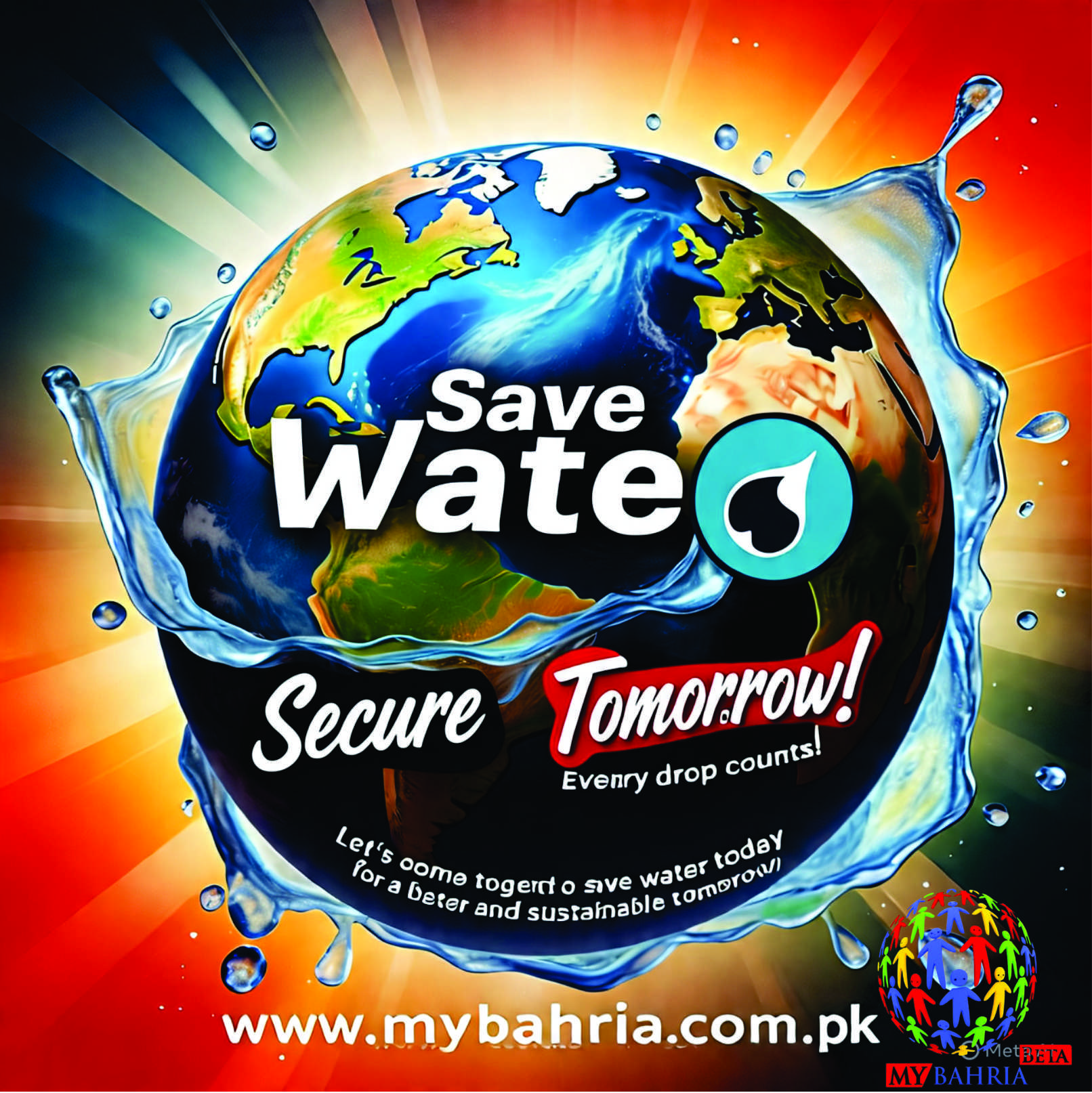
Water is not an unlimited resource. Every drop saved today protects tomorrow.