

















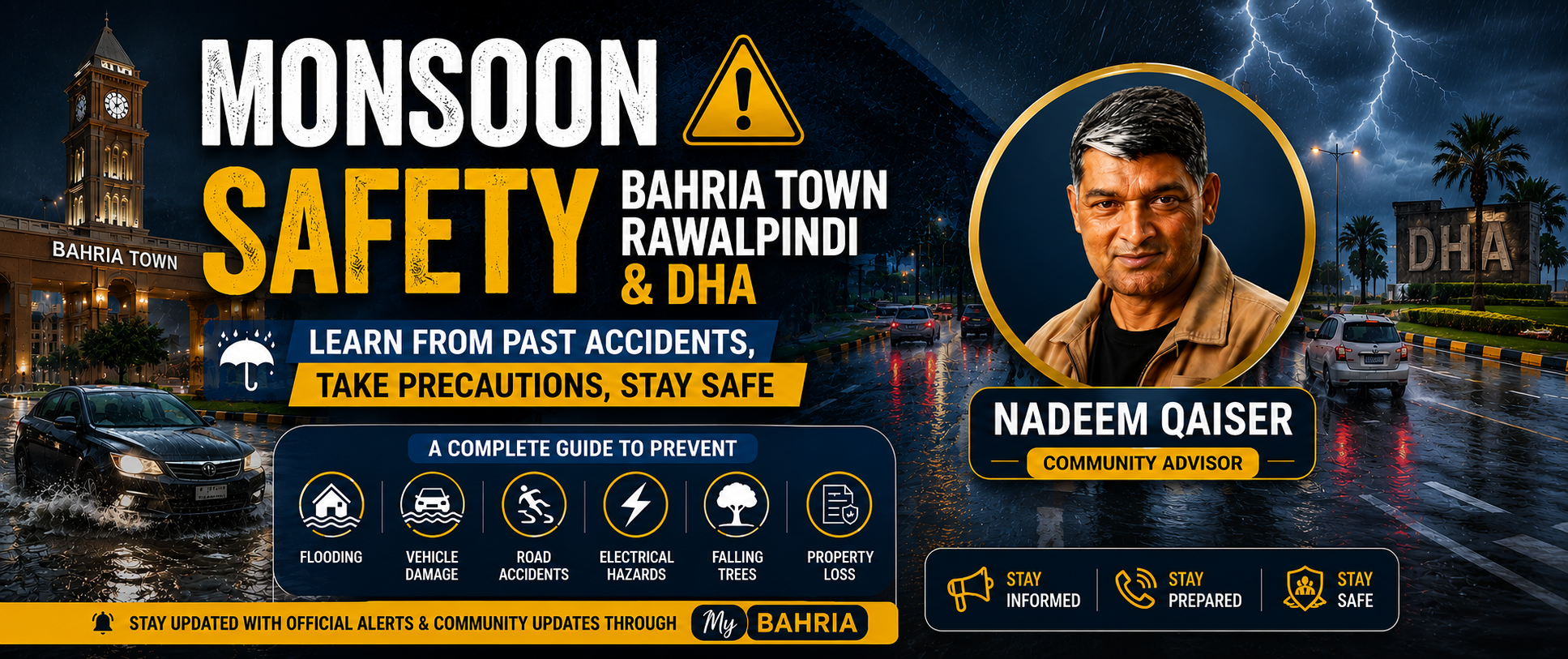
Every monsoon season brings much-needed rainfall to Bahria Town and DHA. However, history has shown that heavy rainfall can also lead to serious accidents, property damage, traffic disruptions, and even loss of life across Bahria Town Rawalpindi and nearby DHA communities.
Over the past several years, intense monsoon spells have repeatedly affected roads, underpasses, commercial areas, construction sites, parks, and residential streets. Many of these incidents could have been prevented through better preparedness and public awareness.
As another active monsoon system approaches the Potohar region, residents, business owners, motorists, and property managers should learn from previous incidents and take proactive measures to protect lives and property.
What Happened During Previous Monsoon Seasons?
Although Bahria Town generally maintains a better drainage system than many surrounding areas, exceptionally heavy rainfall has still created dangerous situations during previous monsoon spells.
Some of the most common incidents included:
Urban Flooding in Low-Lying Areas
Heavy rainfall overwhelmed drainage systems in several locations, causing temporary flooding on:
Main Boulevards
Commercial Areas
Basement Parking
Service Roads
Underpasses
Low-Lying Streets
Water accumulated rapidly during intense cloudbursts, making roads difficult or impossible to use safely.
Vehicles Trapped in Floodwater
Several motorists attempted to drive through flooded roads despite unknown water depths.
Consequences included:
Engine failure
Vehicles floating or stalling
Occupants requiring rescue
Expensive mechanical repairs
Insurance complications
Many vehicles suffered permanent engine damage because drivers restarted engines after water entered the air intake.
Road Traffic Accidents
Rainwater mixed with dust and oil creates extremely slippery road surfaces during the first hour of rainfall.
Previous monsoon seasons saw:
Cars skidding while braking
Motorcycle accidents
Rear-end collisions
Loss of vehicle control on curves
Reduced visibility leading to crashes
Motorcyclist Injuries
Motorcyclists remain among the most vulnerable road users during heavy rain.
Common causes included:
Slippery roads
Poor visibility
Hidden potholes
Sudden braking
Water-filled road depressions
Falling Trees and Branches
Strong wind gusts accompanying thunderstorms caused:
Tree branches to fall
Trees uprooted
Damage to parked vehicles
Blocked roads
Minor injuries to pedestrians
Vehicles parked beneath large trees experienced significant damage.
Damage from Construction Materials
Construction sites became hazardous during storms.
Loose materials including:
Metal sheets
Scaffolding
Wooden boards
Plastic coverings
Signboards
were blown by strong winds, creating dangerous flying debris.
Power Outages
Lightning strikes and storm-related faults resulted in temporary electricity interruptions in some areas.
Power outages affected:
Homes
Commercial centers
Internet connectivity
Security systems
Elevators
Water Entering Basements
Several homes and commercial plazas experienced:
Basement flooding
Parking damage
Water-damaged electrical systems
Damaged furniture
Destroyed inventory
Poorly maintained drainage systems were often the primary cause.
Electrical Hazards
Standing water near damaged electrical equipment created serious electrocution risks.
Hazards included:
Exposed electrical wiring
Damaged streetlights
Flooded electrical rooms
Wet extension cords
Children Playing in Floodwater
Past monsoons also highlighted the danger of children playing in flooded streets.
Floodwater may conceal:
Open drains
Sharp debris
Electrical hazards
Deep potholes
Fast-moving currents
Even shallow water can pose significant risks.
Common Mistakes Residents Make During Heavy Rain
Many losses occur because people underestimate the dangers of monsoon weather. Some frequent mistakes include:
Driving through flooded underpasses
Parking under large trees or unstable structures
Leaving rooftop items unsecured
Ignoring weather alerts
Riding motorcycles during severe storms
Using electrical appliances while standing in water
Delaying drain cleaning until after rainfall begins
Avoiding these mistakes can significantly reduce the risk of injury and property damage.
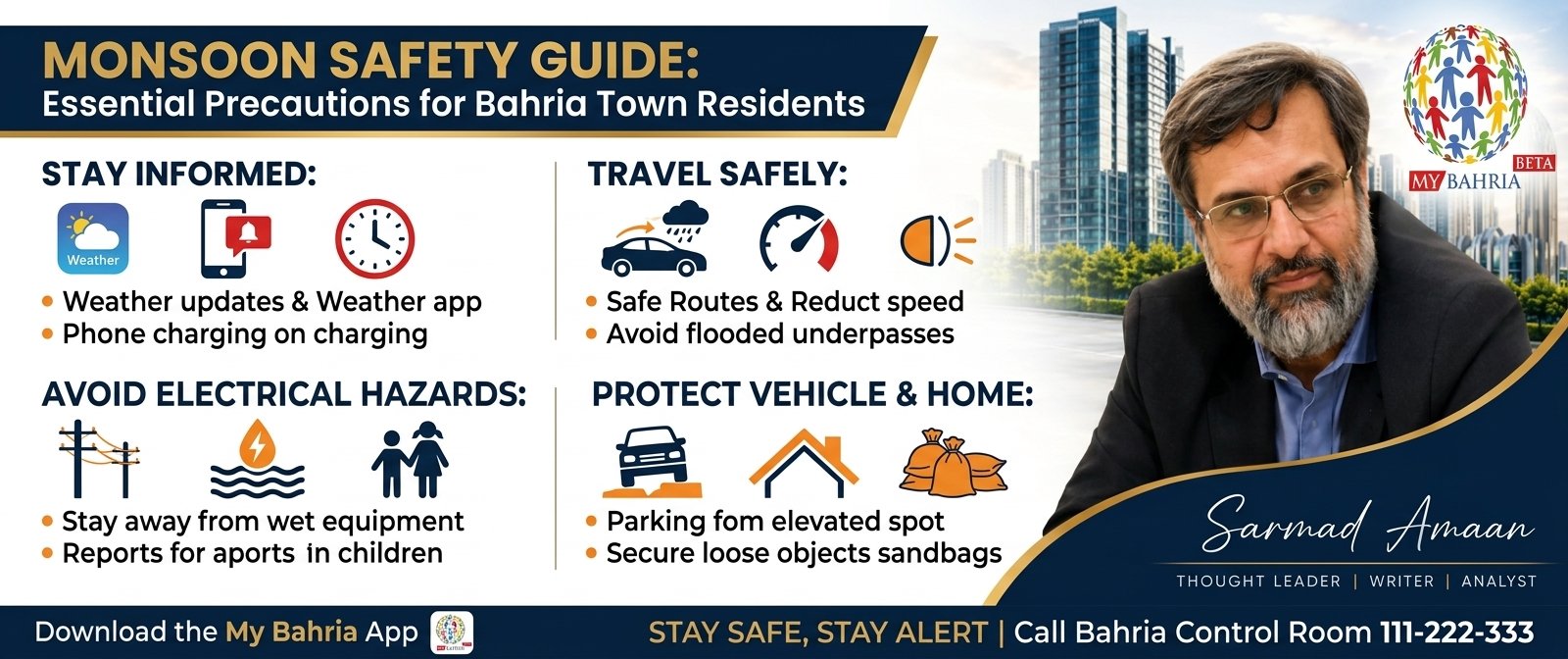
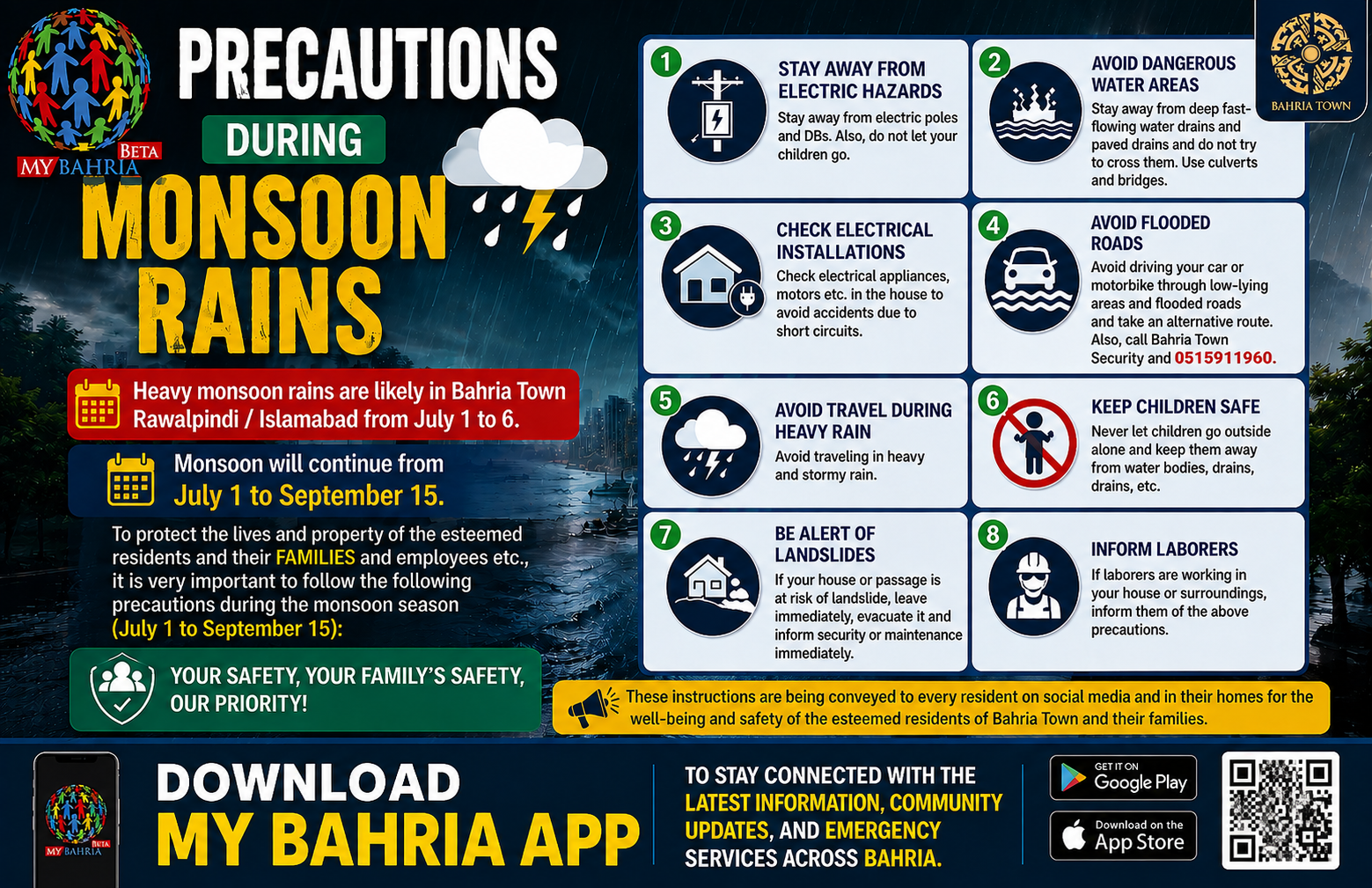
How Residents Can Prevent Monsoon Losses
Prepare Your Home
Before heavy rainfall:
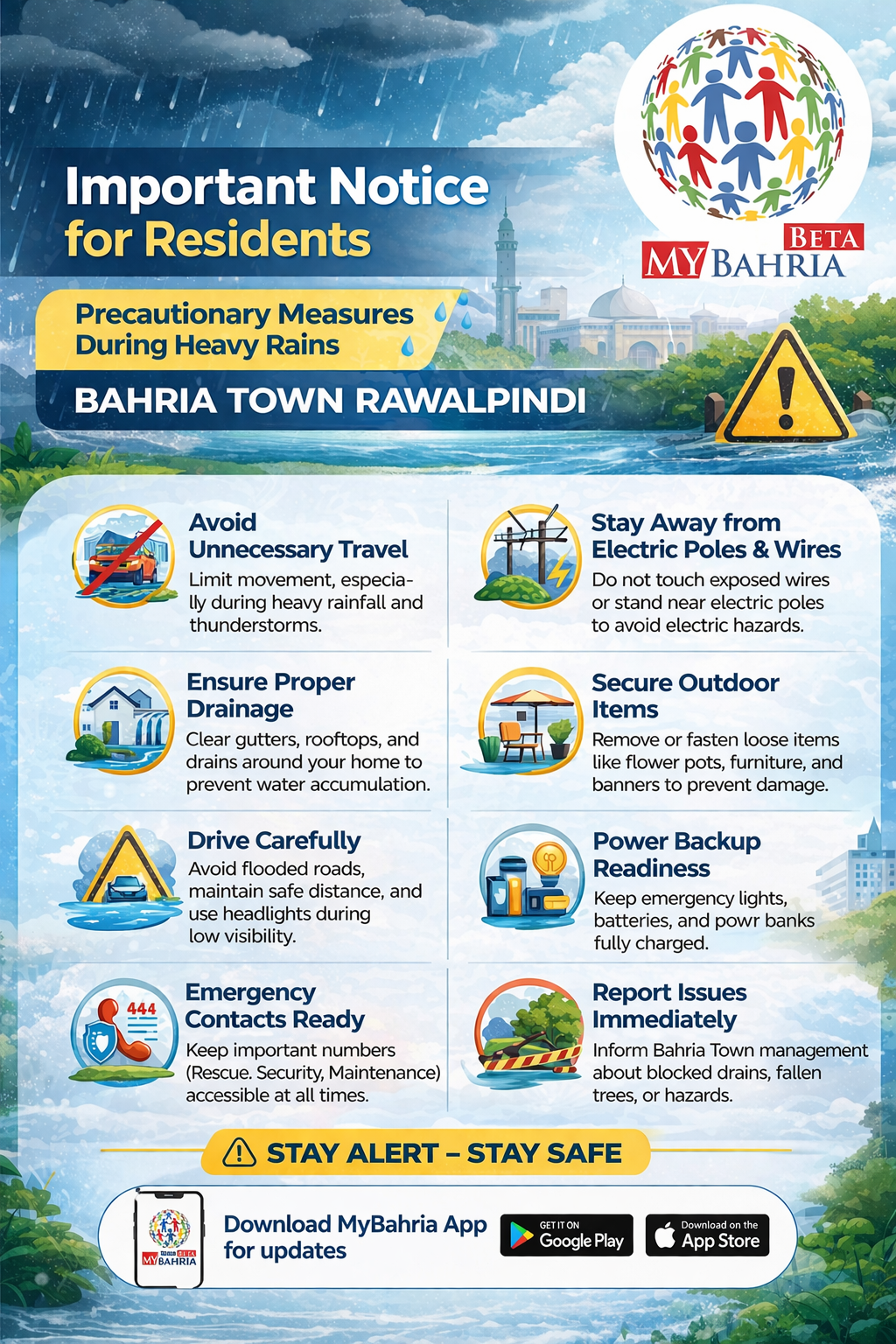
Clean roof drains and gutters.
Remove leaves and debris from balconies.
Check waterproofing around windows and doors.
Store important documents in waterproof containers.
Protect electronics from potential water ingress.
Keep emergency lighting and power banks fully charged.
Protect Your Vehicle
Avoid parking under trees.
Stay away from electric poles.
Never park in flood-prone areas.
Keep windshield wipers in good condition.
Check tyre tread depth and brakes regularly.
Maintain adequate fuel levels during severe weather.
Drive Safely
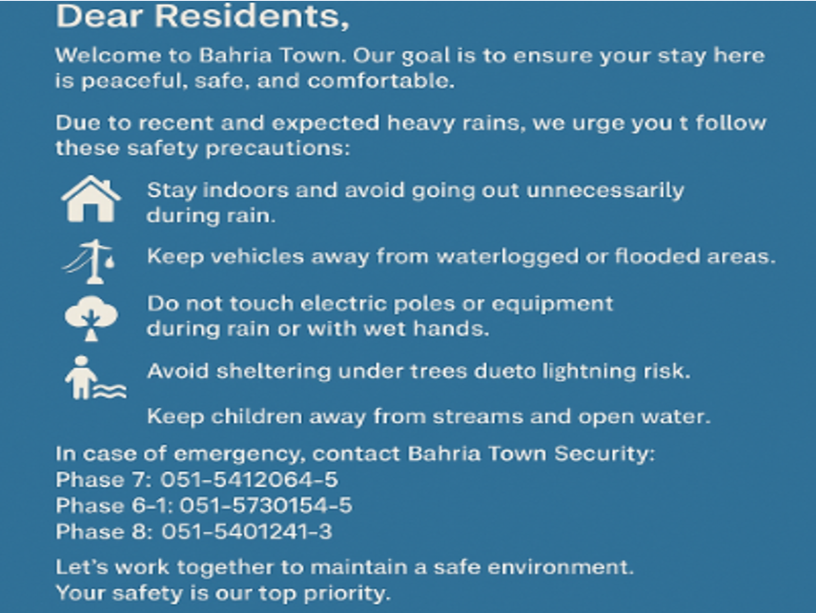
During rainfall:
Reduce speed.
Increase following distance.
Switch on headlights.
Avoid sudden braking.
Stay away from large buses and trucks during strong winds.
Never drive through water if you cannot see the road beneath.
Remember:
If you cannot determine the depth of floodwater, do not drive through it.
Motorcycle Safety
Motorcyclists should:
Avoid unnecessary travel during thunderstorms.
Wear reflective rain gear.
Slow down before turns.
Keep both brakes in good condition.
Avoid painted road markings that become slippery.
Construction Site Safety
Residents living near ongoing construction should:
Report loose materials.
Avoid walking close to scaffolding.
Stay clear of cranes during storms.
Watch for falling debris.
Builders should secure all temporary structures before heavy rain begins.
Safety for Families
Parents should:
Keep children indoors during lightning.
Prevent children from playing in flooded streets.
Explain electrical hazards.
Prepare an emergency contact list.
Maintain a basic first-aid kit.
Pet Safety During Monsoon
Pets should:
Stay indoors during thunderstorms.
Have access to clean drinking water.
Avoid flooded parks.
Be kept away from open drains.
Business Safety Checklist
Commercial property owners should:
Inspect roof drainage systems.
Test backup generators.
Protect computer equipment.
Secure outdoor advertising boards.
Monitor basement parking areas.
Keep emergency pumps operational.
Community Responsibility
Residents can also help reduce risks by:
Reporting blocked drains.
Informing maintenance teams about fallen trees.
Avoiding littering that blocks drainage channels.
Assisting elderly neighbours during emergencies.
Sharing only verified weather information to avoid panic.
Stay Updated Through Official Sources
Weather conditions during the monsoon season can change rapidly. Residents should monitor updates from the Pakistan Meteorological Department (PMD), local emergency services, and official community communication channels. Timely information allows families and businesses to prepare before severe weather arrives.
The My Bahria App is also a valuable tool for residents, providing quick access to community announcements, emergency contact numbers, local notices, and important updates during adverse weather conditions.
Monsoon rains are a natural part of life in the Potohar region, but preparedness is the key to minimizing their impact. The accidents and losses experienced during previous monsoon seasons in Bahria Town Rawalpindi and DHA highlight the importance of taking weather warnings seriously.
Simple precautions such as avoiding flooded roads, securing loose objects, maintaining drainage systems, and staying informed—can significantly reduce the risk of injuries, vehicle damage, and property loss.
By working together as a community and following safety guidelines, residents can help ensure a safer and more resilient monsoon season for everyone.