






























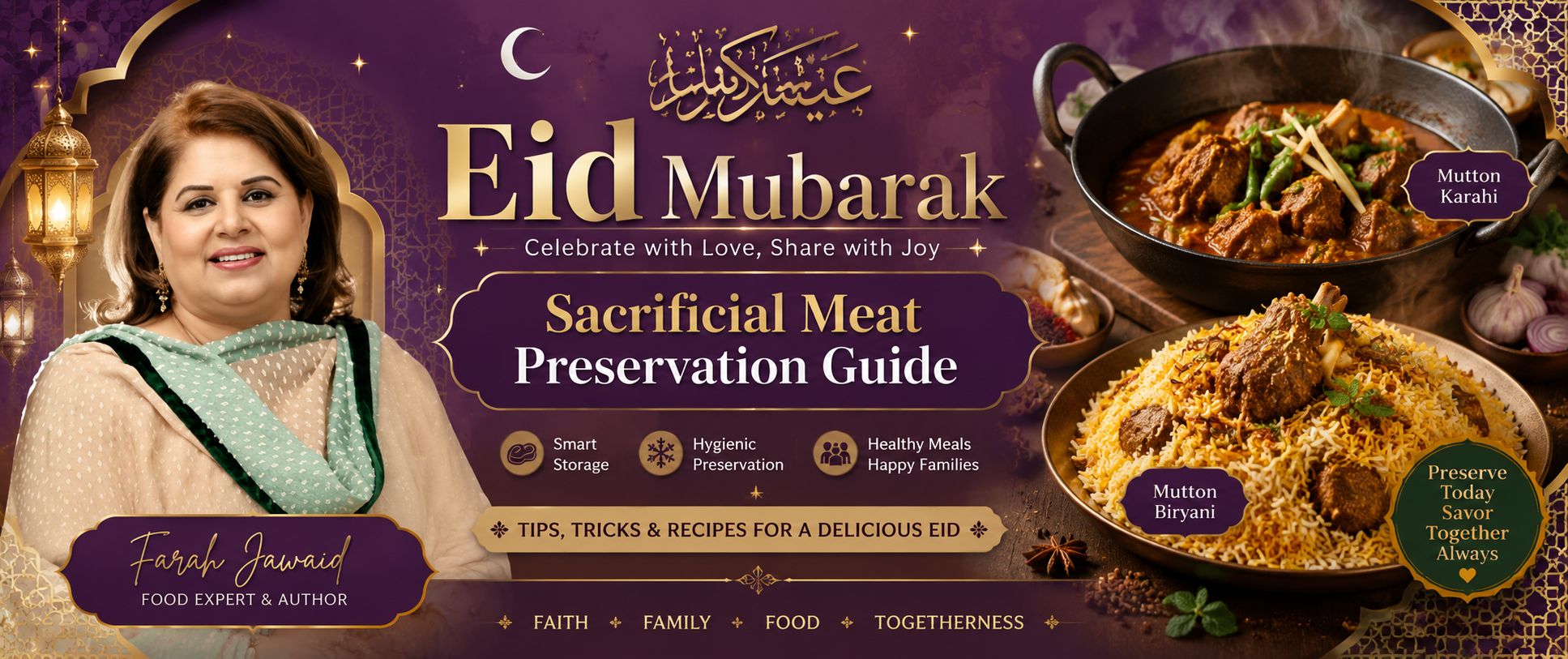
How to Preserve Sacrificial Meat and Prepare Delicious Dishes from It
Eid-ul-Adha is one of the most cherished occasions in the Islamic calendar. It is a time of sacrifice, gratitude, generosity, and sharing. After performing Qurbani, many families face an important question: How can sacrificial meat be preserved properly and utilized effectively without waste?
Proper storage not only maintains the quality and nutritional value of the meat but also allows families to enjoy delicious meals for months after Eid. This guide will help you preserve your Qurbani meat safely and prepare a variety of mouthwatering dishes from it.
Why Proper Meat Preservation Matters
Fresh sacrificial meat is highly nutritious and rich in protein, vitamins, and minerals. However, if it is not handled correctly, bacteria can multiply rapidly, leading to spoilage and health risks.
Proper preservation helps:
-
Maintain freshness and taste.
-
Prevent bacterial contamination.
-
Reduce food waste.
-
Save time during future meal preparation.
-
Extend the usable life of the meat.
Step 1: Allow the Meat to Cool
After Qurbani, do not immediately place freshly cut meat in the refrigerator or freezer.
Best Practice:
-
Allow the meat to cool naturally for 2–4 hours in a clean, shaded, and well-ventilated area.
-
Avoid direct sunlight.
-
Cover the meat with a clean cloth or food-safe covering.
This process helps remove excess body heat and moisture.
Step 2: Sort and Portion the Meat
Separate the meat according to its intended use.
Categories:
-
Boneless cubes for curries.
-
Minced meat (Keema).
-
Steaks and chops.
-
Bones for soups and stock.
-
Fat for special recipes.
Divide the meat into meal-sized portions before storage. This prevents repeated thawing and refreezing.
Step 3: Use Proper Packaging
Packaging plays a crucial role in preserving quality.
Recommended Packaging:
-
Airtight freezer bags.
-
Vacuum-sealed bags.
-
Food-grade plastic containers.
Before sealing:
-
Remove as much air as possible.
-
Label each package with:
-
Date of storage.
-
Type of cut.
-
Weight (optional).
-
Step 4: Refrigeration Guidelines
If the meat will be consumed soon:
Refrigerator Storage:
-
Temperature: 0°C to 4°C
-
Use within 1–2 days
Store meat on the lowest shelf to prevent juices from contaminating other foods.
Step 5: Freezing for Long-Term Storage
For extended preservation, freezing is the best option.
Freezer Storage:
-
Temperature: -18°C or below
-
Best consumed within 6–12 months
Properly frozen meat retains its quality, texture, and nutritional value for several months.
Safe Thawing Methods
Never thaw meat at room temperature.
Recommended Methods:
1. Refrigerator Thawing
Place frozen meat in the refrigerator overnight.
2. Cold Water Method
Seal meat in a leak-proof bag and immerse it in cold water.
3. Microwave Defrosting
Use only when cooking immediately afterward.
Delicious Dishes You Can Prepare
1. Mutton Karahi
A traditional Pakistani favorite.
Ingredients:
-
1 kg mutton
-
Tomatoes
-
Ginger
-
Garlic
-
Green chilies
-
Fresh coriander
Cook slowly until the meat becomes tender and aromatic.
2. Mutton Qorma
Perfect for family gatherings and special occasions.
Key Ingredients:
-
Yogurt
-
Fried onions
-
Whole spices
-
Mutton pieces
Serve with naan or fragrant rice.
3. Keema Matar
A quick and nutritious meal.
Ingredients:
-
Minced meat
-
Green peas
-
Tomatoes
-
Onion
-
Garam masala
Ideal for lunch boxes and weekday dinners.
4. Seekh Kebabs
Excellent for BBQ parties.
Ingredients:
-
Minced meat
-
Ginger-garlic paste
-
Green chilies
-
Fresh herbs
-
Traditional spices
Freeze prepared kebabs for future use.
5. Paya
A rich and flavorful dish made from trotters.
Slow cooking allows the collagen and nutrients to create a hearty and satisfying meal.
6. Mutton Biryani
A classic Eid favorite.
Layer marinated meat with aromatic rice, saffron, and spices for a feast that everyone will enjoy.
Smart Meal Planning Tips
To maximize your Qurbani meat:
-
Prepare and freeze marinated portions.
-
Cook large batches and freeze leftovers.
-
Label all containers clearly.
-
Follow the "first in, first out" rule.
-
Share generously with relatives, neighbors, and those in need.
Common Mistakes to Avoid
Avoid:
-
Storing warm meat in the freezer.
-
Refreezing thawed meat.
-
Using damaged storage bags.
-
Leaving meat exposed to air.
-
Thawing meat on kitchen counters.
These mistakes can affect both safety and quality.
The Spirit of Eid-ul-Adha
While preserving meat is important, Eid-ul-Adha is ultimately about sacrifice, gratitude, and compassion. The meat from Qurbani is a blessing meant to nourish families and strengthen community bonds through sharing.
By preserving sacrificial meat properly and preparing wholesome meals, families can enjoy the blessings of Eid for months while minimizing waste and maximizing benefit.
Final Thoughts
Proper handling, storage, and meal planning can help every household make the most of their Qurbani meat. Whether you prepare a traditional Karahi, a fragrant Biryani, or delicious Seekh Kebabs, the key is to preserve the meat correctly from the very beginning.
May Allah accept our sacrifices, bless our homes with abundance, and allow us to share His blessings with others.
Eid Mubarak!